
Introduction
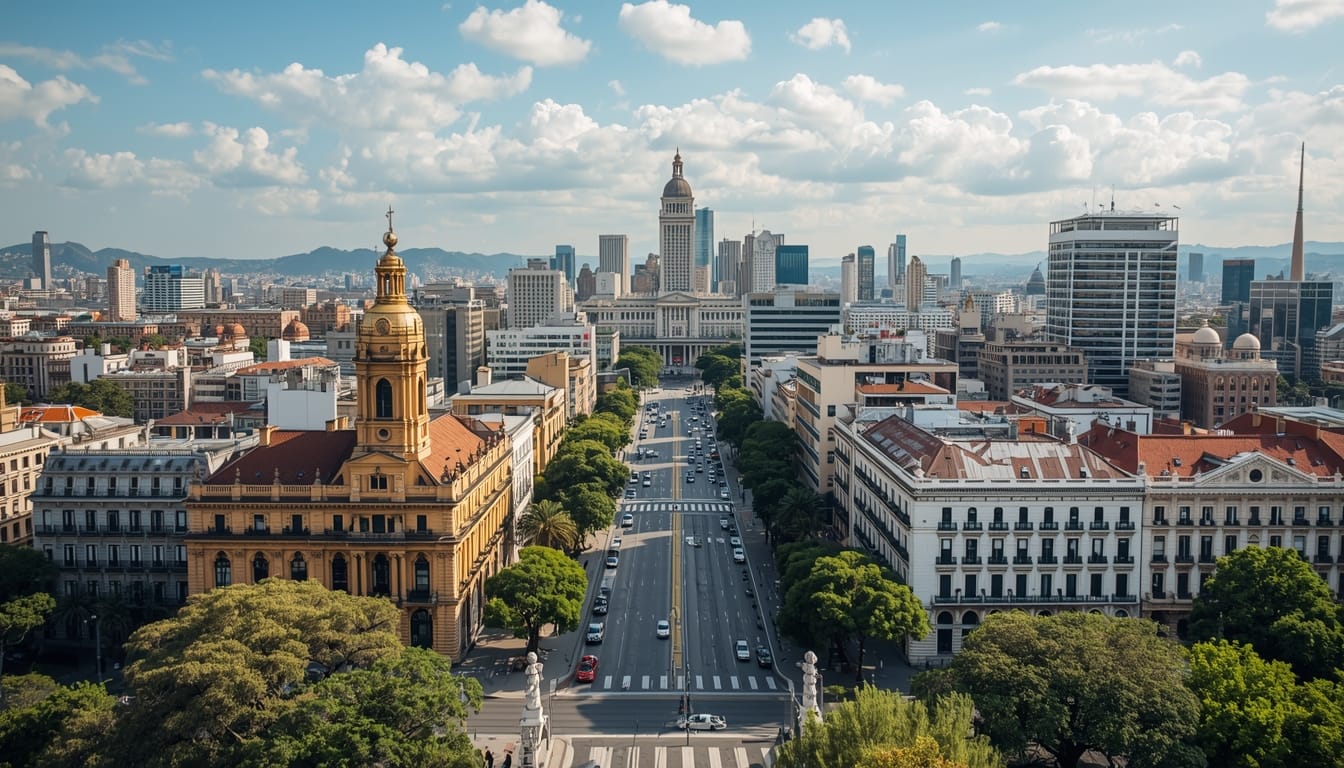
Welcome to Buenos Aires, a city that pulsates with passion, history, and a vibrant culture that will captivate your senses. Often called the “Paris of South America,” Buenos Aires boasts stunning architecture, world-class cuisine, and a nightlife that never sleeps. Whether you’re a first-time visitor or a seasoned traveler, this ultimate guide will help you navigate the city’s diverse neighborhoods, discover hidden gems, and experience the best that Buenos Aires has to offer.
From the colorful streets of La Boca to the elegant avenues of Recoleta, Buenos Aires is a city of contrasts. You can spend your days exploring historical landmarks, indulging in delicious Argentine cuisine, and immersing yourself in the local culture. And when the sun goes down, the city comes alive with tango shows, lively bars, and bustling nightclubs. Finding the best time to visit Buenos Aires Argentina depends on your preferences, but we’ll cover that and more in this guide.
This guide is designed to be your comprehensive resource for planning an unforgettable trip. We’ll cover everything from the top things to do in Buenos Aires Argentina for tourists and where to find the best markets to shop in Buenos Aires Argentina, to practical information about transportation and accommodation. We’ll also delve into the city’s thriving nightlife in Buenos Aires Argentina for tourists and offer tips on finding affordable hotels in Buenos Aires Argentina near city center.
Destination Highlights
Buenos Aires, a city that pulsates with passion and history, offers a captivating blend of European elegance and South American spirit. From its iconic landmarks to its hidden gems, there’s something to enchant every traveler.
Must-See Landmarks: Begin your adventure at the Plaza de Mayo, the historical heart of the city, surrounded by significant buildings like the Casa Rosada (Presidential Palace) and the Metropolitan Cathedral. Don’t miss the Obelisco, a towering monument that symbolizes Buenos Aires. Explore the colorful La Boca neighborhood, famous for its vibrant Caminito street, where tango dancers and artists showcase their talents.
Cultural Experiences: Immerse yourself in the world of tango with a visit to a traditional milonga or a captivating tango show. Explore the Recoleta Cemetery, an elaborate city of the dead filled with stunning mausoleums and sculptures. Discover the literary scene at El Ateneo Grand Splendid, a breathtaking bookstore housed in a former theater.
Neighborhood Exploration: Wander through the charming streets of San Telmo, known for its antique shops and Sunday market. Experience the trendy Palermo neighborhood, with its stylish boutiques, vibrant street art, and lush parks. Each barrio offers a unique glimpse into the diverse character of Buenos Aires.
Whether you’re captivated by history, art, or simply the vibrant energy of the city, Buenos Aires promises an unforgettable experience. These highlights are just a starting point – prepare to be amazed by the endless possibilities this captivating destination has to offer.
Offbeat Nature Spots
Beyond the tango halls and bustling city streets, Buenos Aires holds some surprising natural escapes. If you’re craving a dose of greenery away from the crowds, venture off the beaten path to discover these hidden gems.
Reserva Ecológica Costanera Sur: This sprawling ecological reserve is a haven for birdwatchers and nature lovers. Once a landfill, it has been transformed into a thriving ecosystem with lagoons, grasslands, and diverse wildlife. Rent a bike and explore the trails, keeping an eye out for coypus, herons, and countless bird species. It’s a fantastic spot for a picnic and a breath of fresh air.
Japanese Garden (Jardín Japonés): Find tranquility in this meticulously designed Japanese garden. Stroll across arched bridges, admire koi ponds, and participate in a tea ceremony. The garden offers a serene escape from the city’s hustle and bustle, providing a moment of zen amidst the urban landscape.
Parque Tres de Febrero (Bosques de Palermo): While not entirely “offbeat,” the Bosques de Palermo offer more than just rose gardens. Explore the less-traveled paths, discover hidden sculptures, and rent a paddleboat on the lake. This expansive park provides ample space to relax, exercise, and reconnect with nature.
El Rosedal: Nestled within the Parque Tres de Febrero, El Rosedal is a stunning rose garden boasting over 93 varieties of roses. While popular, it’s easy to find a quiet corner to admire the fragrant blooms and enjoy the peaceful atmosphere. The best time to visit is during the spring (October-November) when the roses are in full bloom.
Practical Information
Planning a trip to Buenos Aires? Let’s cover some essential practicalities to ensure a smooth and enjoyable experience. From currency to transportation, we’ve got you covered.
Currency: Argentina uses the Argentine Peso (ARS). While credit cards are widely accepted in larger establishments, it’s always a good idea to have some cash on hand, especially for smaller shops, markets, and tipping. ATMs are readily available, but be aware of potential withdrawal fees. Consider checking the current exchange rate before you go to get the best deals.
Transportation: Buenos Aires boasts an efficient public transportation system. The Subte (subway) is a fast and affordable way to navigate the city. Buses (colectivos) are also plentiful, covering a vast network of routes. You’ll need a SUBE card to use both; these can be purchased and topped up at Subte stations and kiosks. Taxis and ride-sharing services like Uber are also available and relatively inexpensive.
Language: The official language is Spanish. While you’ll find English spoken in tourist areas, learning a few basic Spanish phrases will greatly enhance your interactions with locals and make your trip more rewarding. Don’t be afraid to try – Argentinians are generally very appreciative of the effort!
Safety: Buenos Aires is generally a safe city, but like any major urban area, it’s important to be aware of your surroundings. Be mindful of your belongings, especially in crowded areas. Avoid flashing expensive jewelry or electronics. Stick to well-lit streets at night and be cautious when using ATMs.
Electricity: Argentina uses 220V electricity with Type C and I plugs. If your devices use a different voltage or plug type, you’ll need to bring a converter and adapter.
Sustainable Travel Options
Buenos Aires, a city brimming with passion and culture, is also making strides towards a more sustainable future. As a visitor, you can contribute to these efforts and minimize your environmental footprint while enjoying all that the city has to offer. Embracing sustainable travel options allows you to experience Buenos Aires in a more responsible and enriching way.
Eco-Friendly Transportation: Opt for walking or cycling to explore the city’s charming neighborhoods. Buenos Aires boasts an extensive network of bike lanes and pedestrian-friendly streets. The “Ecobici” bike-sharing program is a convenient and affordable way to get around. Public transportation, including buses and the Subte (subway), is also a great way to reduce your carbon footprint compared to taxis or ride-sharing services.
Support Local and Sustainable Businesses: Choose accommodations that prioritize sustainability, such as eco-hotels or guesthouses that implement energy-saving practices and waste reduction programs. When dining out, look for restaurants that source local and organic ingredients, supporting local farmers and reducing food miles. Explore local markets like the San Telmo Market, where you can find unique souvenirs and support local artisans.
Reduce, Reuse, Recycle: Be mindful of your consumption habits while traveling. Bring a reusable water bottle and refill it throughout the day. Avoid single-use plastics and opt for reusable shopping bags. Support businesses that prioritize waste reduction and recycling programs. By making conscious choices, you can help minimize your impact on the environment and contribute to a more sustainable Buenos Aires.
Nightlife in Buenos Aires Argentina for Tourists
Buenos Aires truly comes alive after dark! The city’s nightlife is legendary, offering something for everyone, from intimate tango shows to pulsating nightclubs. For tourists eager to experience the authentic Buenos Aires nightlife, here’s a glimpse of what awaits:
Tango Shows: No trip to Buenos Aires is complete without witnessing the passion of tango. Many venues offer dinner tango shows, providing a complete evening experience. Look for shows in San Telmo or La Boca for a traditional feel, or opt for a more modern performance in Palermo.
Milongas: For a more immersive experience, visit a milonga – a tango dance hall. Some milongas offer beginner lessons, so you can try your hand at this iconic dance. Be sure to observe the unspoken rules of the dance floor!
Bars and Pubs: Palermo is the heart of Buenos Aires’ bar scene, with a wide array of options, from trendy cocktail bars to cozy pubs. San Telmo also offers a more bohemian vibe with its historic bars. Many bars offer “happy hour” specials, typically from 6 pm to 9 pm.
Nightclubs: If you’re looking to dance the night away, Buenos Aires has a vibrant club scene. Palermo and Recoleta are home to some of the city’s most popular nightclubs, playing a mix of international and Latin music. Be prepared to stay out late – clubs often don’t get going until after 2 am!
Late-Night Dining: Don’t worry about going hungry after a night out. Buenos Aires has plenty of restaurants and cafes that stay open late, serving everything from traditional Argentine cuisine to international fare. Grab a late-night pizza or medialuna (crescent roll) to refuel before heading back to your hotel.
Local Insights
Want to experience Buenos Aires like a true Porteño (a local)? Ditch the typical tourist traps and dive into the heart of the city with these insider tips. First, learn a few basic Spanish phrases. Even a simple “Hola” and “Gracias” will go a long way and show respect for the local culture. Don’t be afraid to try the street food! Empanadas from a local bakery are a must, and a choripán (chorizo sandwich) from a street vendor is a true Buenos Aires experience.
For a taste of authentic culture, explore the San Telmo market on a Sunday. It’s not just about shopping; it’s a social event filled with tango dancers, street performers, and antique vendors. Speaking of tango, skip the expensive dinner shows and find a “milonga” – a local tango dance hall. You’ll get a more genuine experience and maybe even learn a few steps yourself!
Finally, embrace the late-night culture. Dinner typically starts around 9 pm, and nightlife goes on until the early hours. Take a stroll through Palermo Soho or San Telmo at night to soak in the vibrant atmosphere. And remember, the best way to experience Buenos Aires is to get lost in its streets, talk to the locals, and embrace the unexpected.
Affordable Hotels in Buenos Aires Argentina Near City Center
Buenos Aires, a city brimming with passion and culture, doesn’t have to break the bank. Finding affordable accommodation near the city center is easier than you might think! You can experience the heart of Buenos Aires without emptying your wallet. Here are a few tips and recommendations for budget-friendly hotels that offer comfort and convenience.
Neighborhoods to Consider: Look into areas like San Telmo, known for its bohemian vibe and antique markets, or Montserrat, steeped in history and close to many attractions. These neighborhoods often offer more affordable options than the upscale areas of Recoleta or Palermo.
Hotel Features to Look For: When searching for affordable hotels, consider what amenities are essential to you. Free breakfast, Wi-Fi, and a central location are often top priorities. Many budget hotels also offer helpful services like luggage storage and tour booking assistance.
Booking Tips: Booking in advance, especially during peak season (spring and fall, considered the best time to visit Buenos Aires Argentina), can help you secure better rates. Consider traveling during the shoulder seasons for even greater savings. Websites like Booking.com, Expedia, and Hostelworld often have deals on hotels and hostels in Buenos Aires.
Remember to read reviews from other travelers to get a sense of the hotel’s quality and location. With a little research, you can find a comfortable and affordable base for exploring all that Buenos Aires has to offer.
How to Visit, Best time to visit Buenos Aires Argentina
Planning your trip to Buenos Aires? Excellent choice! This vibrant city offers a unique blend of European elegance and South American passion. But before you pack your tango shoes, let’s talk about the best time to visit and how to make the most of your trip.
The best time to visit Buenos Aires Argentina largely depends on your preferences. For pleasant weather and fewer crowds, consider the shoulder seasons: spring (September-November) and autumn (March-May). During these months, you’ll enjoy mild temperatures, sunny days, and vibrant foliage in the city’s parks. Spring is particularly beautiful with blooming jacaranda trees painting the city in shades of purple.
Summer (December-February) can be hot and humid, but it’s also peak tourist season, with a lively atmosphere and plenty of outdoor events. Winter (June-August) is the off-season, offering cooler temperatures and lower prices. While some may find it chilly, it’s a great time to explore museums, enjoy cozy cafes, and experience the city’s cultural offerings without the crowds.
No matter when you choose to visit, Buenos Aires is easily accessible by air, with Ministro Pistarini International Airport (EZE) serving as the main gateway. Once you arrive, navigating the city is a breeze thanks to its extensive public transportation system, including buses (colectivos), subways (subte), and taxis. Consider purchasing a SUBE card for easy and affordable travel on public transport.
With a little planning, your trip to Buenos Aires will be an unforgettable experience.
Bonus: Article Enhancers
Want to take your Buenos Aires adventure to the next level? Here are a few extra tips and resources to make your trip unforgettable:
- Learn Some Spanish: Even a few basic phrases will go a long way in connecting with locals and enhancing your experience. Consider downloading a language learning app like Duolingo or Memrise before you go.
- Master the Mate Ritual: Mate is more than just a drink; it’s a social ritual. Learn how to prepare and share mate like a true Argentine. You can find mate gourds and yerba mate at many of the best markets to shop in Buenos Aires Argentina.
- Take a Tango Lesson: Immerse yourself in the passion of tango with a beginner’s lesson. Many milongas (tango dance halls) offer introductory classes.
- Download Useful Apps: Citymapper for navigating public transportation, BA Taxi for booking taxis, and Google Translate for communication are all invaluable.
- Pack Appropriately: Buenos Aires experiences all four seasons. Check the weather forecast before you go and pack layers. Comfortable walking shoes are a must!
- Consider a Day Trip: Escape the city bustle with a day trip to Tigre Delta, a unique network of islands and waterways just a short train ride away.
- Embrace the Late-Night Culture: Dinner typically starts late in Buenos Aires. Embrace the local rhythm and enjoy the vibrant nightlife in Buenos Aires Argentina for tourists.
By incorporating these tips, you’ll not only see the sights but also truly experience the heart and soul of Buenos Aires.
Frequently Asked Questions
Planning a trip to Buenos Aires can bring up a lot of questions! Here are some of the most common ones to help you prepare for an unforgettable experience:
Q: What is the best time to visit Buenos Aires Argentina?
A: The shoulder seasons (spring: September-November and fall: March-May) are generally considered the best time to visit Buenos Aires. The weather is pleasant, with fewer crowds and often better deals on flights and accommodation.
Q: Are there affordable hotels in Buenos Aires Argentina near the city center?
A: Absolutely! You can find many budget-friendly hotels and hostels in areas like San Telmo and Monserrat, which are close to the city center and offer easy access to major attractions.
Q: What are the top things to do in Buenos Aires Argentina for tourists?
A: Must-do activities include visiting the colorful La Boca neighborhood, watching a tango show, exploring the Recoleta Cemetery, strolling through Palermo’s parks, and indulging in delicious Argentine cuisine.
Q: Is the nightlife in Buenos Aires Argentina safe for tourists?
A: Generally, yes. However, like any major city, it’s important to be aware of your surroundings, especially at night. Stick to well-lit and populated areas, and avoid displaying expensive belongings.
Q: What are the best markets to shop in Buenos Aires Argentina?
A: The San Telmo Market (Sundays) is famous for antiques and crafts. For a more modern experience, try the Palermo Soho markets. The Feria de Mataderos (Sundays) offers a taste of gaucho culture with traditional crafts and food.
Q: Is Buenos Aires an expensive city to visit?
A: Buenos Aires can be relatively affordable compared to other major cities in the world, especially if you take advantage of local markets, eat at smaller restaurants, and use public transportation.
Q: Do I need to speak Spanish to visit Buenos Aires?
A: While many people in tourist areas speak some English, knowing basic Spanish phrases will greatly enhance your experience and allow you to connect with locals.
Q: What currency is used in Buenos Aires?
A: The currency is the Argentine Peso (ARS).
Q: Is it safe to drink tap water in Buenos Aires?
A: While tap water is generally considered safe, many visitors prefer to drink bottled water.
Q: What type of electrical outlets are used in Buenos Aires?
A: Argentina uses Type C and Type I electrical outlets. The standard voltage is 220V. You may need a travel adapter.
Final Thoughts
Buenos Aires, a city that pulsates with passion, history, and a vibrant culture, offers an unforgettable experience for every traveler. From the captivating tango performances in San Telmo to the colorful streets of La Boca, and the serene parks of Palermo, there’s a corner of this city that will resonate with you. Whether you’re a history buff, a foodie, a shopaholic, or simply seeking adventure, Buenos Aires has something to offer.
Planning your trip to coincide with the best time to visit Buenos Aires Argentina, which is during the shoulder seasons of spring (September-November) or autumn (March-May), will allow you to enjoy pleasant weather and fewer crowds. Finding affordable hotels in Buenos Aires Argentina near the city center will ensure you’re close to all the action without breaking the bank. Remember to explore the top things to do in Buenos Aires Argentina for tourists, but also venture off the beaten path to discover hidden gems.
Don’t forget to immerse yourself in the city’s nightlife in Buenos Aires Argentina for tourists, experiencing the energy of its milongas and bars. And be sure to visit the best markets to shop in Buenos Aires Argentina for unique souvenirs and local crafts. As you prepare to leave, you’ll carry with you memories of a city that has captured your heart, a city that invites you to return and explore its many layers once more. Buenos Aires is more than just a destination; it’s an experience that will stay with you long after you’ve said, “Adiós.






Leave a Reply