
Introduction
Welcome to the Ultimate Umrah Guide: Mecca Essentials! If you’ve ever dreamed of standing before the sacred Kaaba, feeling the spiritual embrace of Masjid al-Haram, and performing the rites of Umrah, you’re in the right place. Mecca, the heart of Islam, beckons millions of pilgrims each year with its timeless aura and profound significance. This guide is your friendly companion, packed with everything you need for a seamless and soul-enriching journey.
Umrah, the lesser pilgrimage, is a beautiful act of worship comprising Ihram, Tawaf around the Kaaba, Sa’i between Safa and Marwa, and trimming your hair to exit the sacred state[1][2][3]. It’s flexible, performable any time, unlike Hajj, making it perfect for devoted travelers seeking spiritual renewal. Discover historical Islamic places to visit in Mecca, from the revered Cave of Hira to Mount Arafat, each whispering stories of prophets and divine revelations[4][6].
Planning your trip? We’ll cover how to reach Mecca from Jeddah airport—just a smooth 1-hour drive via dedicated pilgrim routes. Savor authentic flavors at the best halal restaurants in Mecca for tourists, like bustling spots near the Haram offering mouthwatering mansaf and fresh dates. Rest easy at affordable hotels near Kaaba for Umrah pilgrims, with budget gems providing stunning views and easy access. Timing matters too—learn the best time to perform Umrah in Mecca Saudi Arabia, ideally during cooler months like Ramadan or winter for comfort amid the crowds[2].
From offbeat nature spots to sustainable travel tips and local insights, this guide ensures your Umrah is not just a ritual, but a transformative adventure. Whether you’re a first-timer or returning pilgrim, let’s embark on this holy path together.
Destination Highlights
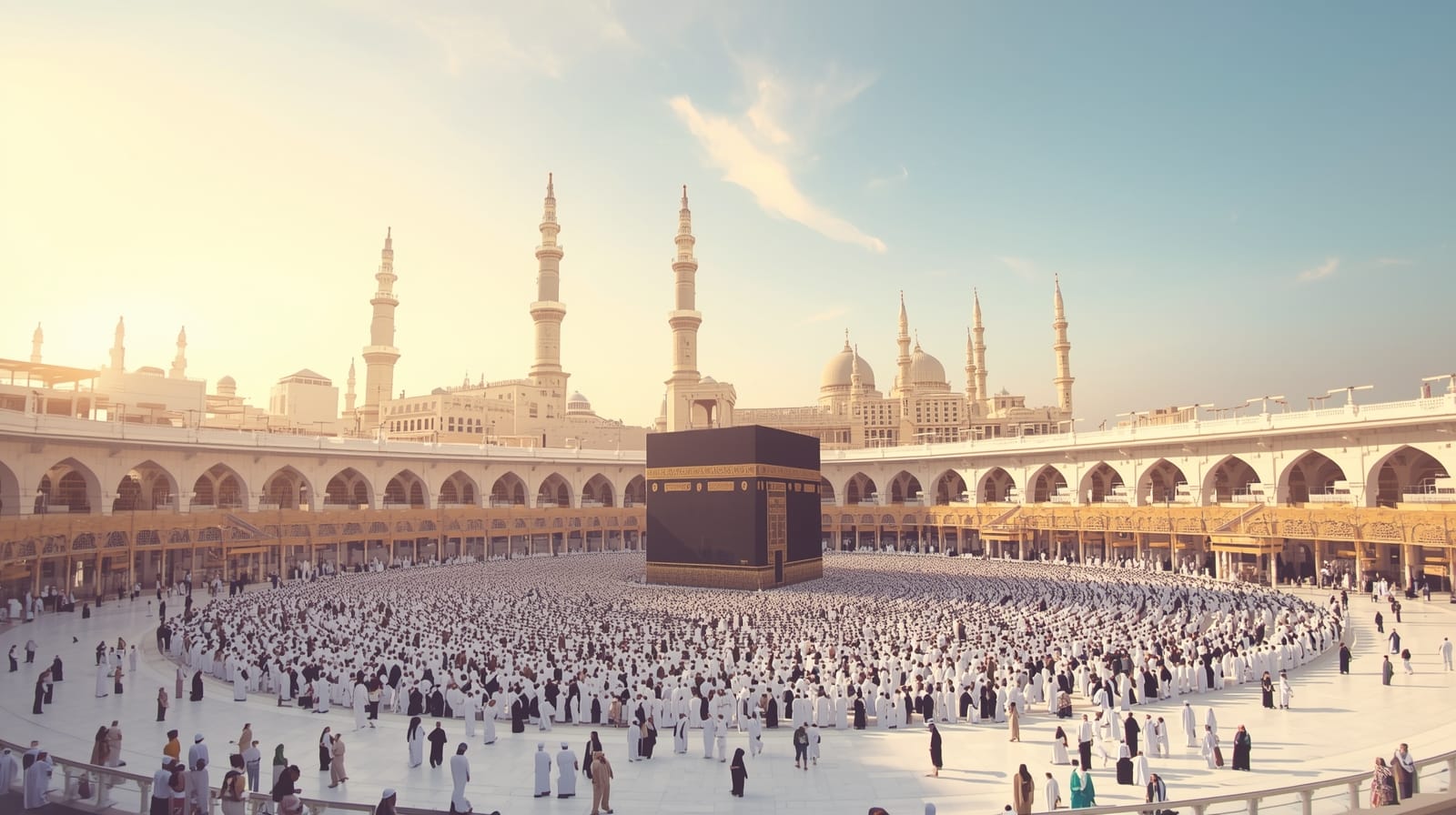
Mecca, the spiritual heart of Islam, beckons pilgrims with its timeless historical Islamic places to visit that echo the Prophet Muhammad’s (PBUH) life and revelations. At the center stands Masjid Al-Haram, the Grand Mosque and world’s largest, enveloping the sacred Kaaba—Islam’s qibla and focal point for Tawaf and Sa’i between Safa and Marwah. This holiest site symbolizes unity, drawing millions for prayer and reflection.[1][2]
Venture to Jabal Al-Nour (Mountain of Light) and its Cave of Hira, where the Prophet (PBUH) received the Quran’s first revelation from Angel Jibreel. The steep climb rewards with breathtaking city views and profound spiritual connection—perfect for quiet contemplation.[1][2][3]
Don’t miss Jannat al-Mu’alla, Mecca’s oldest cemetery north of Masjid Al-Haram. It’s the resting place of Khadijah (RA), Abdul Muttalib, and early Muslims, offering a poignant reminder of sacrifices. Stand outside the white walls to make dua.[1][3][4]
For history buffs, explore Mount Arafat, a pivotal Hajj site just outside Mecca, steeped in significance for pilgrims reflecting on faith.[1][4] Nearby, Jabal Thawr’s Cave sheltered the Prophet (PBUH) and Abu Bakr (RA) during the Hijrah, a tale of divine protection.[3]
Other gems include Masjid-e-Taneem (Aisha’s Mosque), ideal for Miqat before Umrah, and Ayn Zubaydah, an ancient water source. These historical Islamic places to visit in Mecca blend devotion with discovery, making your Umrah unforgettable.
Offbeat Nature Spots
While Mecca is renowned for its spiritual heart, don’t miss the chance to escape the crowds and discover its quieter natural wonders. These offbeat nature spots offer serene hikes, stunning views, and a refreshing break from the pilgrimage hustle, blending rugged beauty with Islamic history.
Start with Jabal al-Nour, the Mountain of Light, just a short drive from the city center. This rugged peak is home to Hira Cave, where Prophet Muhammad (PBUH) received his first revelation—a site of profound spiritual significance. The steep 2-3 hour hike rewards you with panoramic vistas of Mecca’s valleys and distant mountains, especially magical at sunrise when the light bathes the rocky trails in golden hues. It’s an offbeat gem for reflective treks, far less crowded than main sites[4][7].
Nearby, Jabal Thawr beckons adventure seekers. This modest hill hides the Cave of Thawr, where the Prophet (PBUH) and Abu Bakr sought refuge during the Hijrah. A moderate 30-45 minute climb leads to breathtaking overlooks of the Kaaba and surrounding wadis (valleys). The spider’s web miracle legend adds a mystical touch, making it perfect for quiet contemplation amid wild acacia trees and desert flora[4].
For a true hidden escape, head to the wadi trails around Mount Arafat, Mecca’s sacred hill. Beyond the pilgrimage bustle, lesser-known paths wind through palm-shaded canyons and natural springs, offering birdwatching and picnics under starlit skies. These spots feel worlds away, with cool breezes and echoing silence[6].
- Tip: Visit during cooler months (October-April) for comfortable hiking; pack water, modest attire, and sturdy shoes.
- Pro Tip: Join a local guide for safe navigation and enriching stories tying nature to Islamic heritage.
These nature nooks provide balance to your Umrah, reconnecting you with Mecca’s raw, timeless landscapes. Perfect for pilgrims seeking peace beyond the Haram.
Activity-Based Listings
Embark on a spiritually enriching Umrah journey in Mecca with these activity-based listings that blend sacred rituals, historical exploration, and serene reflection. Whether you’re circling the Kaaba or hiking ancient trails, these experiences deepen your connection to Islam’s roots.
1. Performing Tawaf and Sa’i: The Heart of Umrah
Start with the timeless ritual of Tawaf, circling the Kaaba seven times counterclockwise in Masjid al-Haram. This mesmerizing activity, always bustling day and night, symbolizes unity and devotion. Follow it with Sa’i, walking briskly between the hills of Safa and Marwa—seven laps commemorating Hajar’s faith-filled search for water. It’s a profound, active prayer that leaves you spiritually renewed[1][2][5].
2. Guided Spiritual Tours and Ziyarat Visits
Join a guided Umrah journey or private sightseeing tour to uncover hidden gems like Masjid Al-Jinn, Al-Ma’alla Cemetery, and the Kiswah Factory Museum. Learn the craftsmanship behind the Kaaba’s black cloth or explore Jabal al-Noor, hiking to the Cave of Hira where the first Quranic revelation occurred. These tours, starting from $100-$250 per group, offer expert insights into historical Islamic places to visit in Mecca[2][3][5].
3. Prayer and Reflection at Key Sites
Dedicate time to self-reflection at Maqam-e-Ibrahim, sipping blessed Zamzam water from its historic well. Evenings at Masjid al-Haram glow with lights, perfect for zikr and supplications. Visit Mosque of Ayesha, a miqat for Ihram, or the Clock Tower Museum for panoramic views and Islamic astronomy exhibits[1][3].
4. Hiking and Nature Exploration
For an active twist, trek to Jabal al-Noor or nearby offbeat spots, combining physical exertion with prophetic history. These outings refresh the body and soul amid Mecca’s rugged landscapes[4][5].
These activities ensure a balanced, memorable Umrah—pair them with stays at affordable hotels near Kaaba and best halal restaurants in Mecca for tourists for the full experience. Plan via the Nusuk app for seamless visits[2].
Practical Information
Planning your Umrah trip to Mecca? Here’s everything you need to know for a smooth journey, from visas to health essentials and getting around. We’ve got you covered with the latest 2025 updates to make your pilgrimage stress-free!
Umrah Visa Essentials
US citizens and others can apply for an Umrah e-Visa via the official Saudi Ministry of Foreign Affairs (MOFA) website or Nusuk platform—processing takes 24-72 hours, or 5-10 days through agencies.[1][2] Your passport must be valid for at least six months, and you’ll need recent passport photos, proof of accommodation in Nusuk-registered hotels, confirmed return flights, and vaccination certificates (meningitis, polio, flu, and possibly COVID-19).[1][2][3] Females under 45 require a mahram, and all pilgrims must be Muslim with a religious purpose.[1] Pro tip: Tourist visas also allow Umrah, valid for one year with multiple entries—perfect for flexibility![1][5]
Health and Entry Rules
Mandatory meningococcal (ACWY) vaccination is required at least 10 days before arrival, plus others like polio and flu.[2][3][10] Book hotels and transport via Nusuk Masar first—only registered options ensure visa approval and avoid delays.[2][3][4] From Jeddah Airport, taxis, buses, or pre-booked shuttles get you to Mecca in 1-1.5 hours; always include transport details in your visa app.[2]
- Affordable Hotels Near Kaaba: Opt for Nusuk-approved spots like budget-friendly pilgrim guesthouses starting at economical rates—book early for proximity![2][4]
- Best Time for Umrah: Avoid peak Ramadan crowds; shoulder seasons like post-Ramadan or cooler months offer milder weather and easier access.[1]
- Best Halal Restaurants: Try local spots near the Haram for authentic Saudi cuisine—plenty of tourist-friendly options with iftar specials.
Download the Nusuk app for permits and real-time updates.
Sustainable Travel Options
Embarking on your Umrah journey doesn’t mean leaving sustainability behind—it’s a chance to honor both your faith and the Earth! With millions of pilgrims visiting Mecca each year, small eco-friendly choices can make a big difference in preserving the holy sites for future generations. Saudi Arabia is leading the way with initiatives like “Green Spots” for waste sorting and eco-roads made from recycled tires, making your trip greener and more comfortable.
Start with smart transportation. From Jeddah Airport, hop on the Al-Haramain high-speed train or public buses to reach Mecca—it’s efficient, reduces emissions, and avoids traffic jams. Carpool with fellow pilgrims or walk when possible, following the Prophet’s Sunnah while cutting carbon footprints.
Pack like a pro: Bring a reusable water bottle, cloth bags, and eco-friendly ihram to ditch single-use plastics. Opt for biodegradable toiletries and minimize baggage to lower fuel use on flights and transfers.
- Choose green hotels near the Kaaba, like those with energy-efficient lighting, water-saving fixtures, and recycling programs—affordable spots start at SAR 200/night.
- Conserve water with short ablutions and unplug devices to save energy.
- Support waste management by sorting recyclables at Green Spots and choosing eco-packaged meals at halal restaurants.
Look for EarthCheck-certified stays and join tree-planting campaigns post-Umrah. These steps align with Islamic stewardship, ensuring your spiritual recharge also protects Mecca’s environment.
Local Insights
Hey there, fellow traveler! Diving into Mecca’s local insights feels like unlocking the heart of this sacred city. As you prepare for your Umrah journey, embracing Saudi customs will make your visit smoother and more meaningful. Locals here cherish respect, modesty, and community—values that shine through in everyday interactions[1][3][8].
First off, dress modestly to honor the holy surroundings. Men should opt for long pants and shirts, while women cover with loose clothing, long sleeves, and headscarves outside Ihram. During Ihram, men wear two simple white unsewn sheets—keep extras handy for comfort[2][3][4]. Greetings are warm but gender-specific: men shake hands with men, women exchange verbal “As-salamu alaikum” or a nod. Avoid public displays of affection and never use your left hand for eating or passing items—it’s a key cultural no-no[1].
In mosques like Masjid al-Haram, remove shoes at the entrance, stay silent during prayers, and respect prayer times. Touching or kissing the Black Stone during Tawaf is cherished, but say “Allahu Akbar” if crowds prevent it. Men, try Raml in the first three rounds by walking briskly with chest out[1]. Sip Zamzam water mindfully—it’s a blessed gift symbolizing sustenance in the desert[3].
- Dos: Greet respectfully, dress modestly, stay hydrated with Zamzam, be patient in crowds[1][6].
- Don’ts: Smoke or eat during fasting, disrupt prayers, wear perfume in Ihram[1][5].
Locals value family and elders, so patience and good character go far, just as the Prophet (PBUH) taught[6][8]. Chat with shopkeepers in bustling markets for authentic tips—they love sharing stories. These insights blend tradition with your spiritual quest, turning your Umrah into a true cultural embrace.
How to Visit
Planning your journey to Mecca for Umrah is exciting and straightforward with the right steps! Whether you’re flying into Jeddah Airport or applying for your visa, here’s a friendly guide to make how to reach Mecca from Jeddah airport and beyond seamless. Start early to avoid peak season rushes like Ramadan.
First, secure your Umrah visa through the official Nusuk platform or accredited travel agencies. You’ll need a valid passport with at least six months’ validity, proof you’re Muslim, recent passport photos, vaccination certificates (meningitis, polio, and possibly COVID-19 or flu), confirmed return flights, and—important for 2025 rules—mandatory hotel bookings in Nusuk-registered properties near the Kaaba, plus transport details.[1][2][3][4] Females under 45 may need a mahram, and everyone must be 18+ unless with a guardian.[6] E-visas process in 24-72 hours, agency applications in 5-10 days, and the visa is free but tied to your pilgrimage dates (often 30 days max).[2][5] US citizens can also use a tourist visa for multiple entries.[1]
Most pilgrims fly into King Abdulaziz International Airport (JED) in Jeddah, the closest gateway to Mecca (about 85km away). From there, how to reach Mecca from Jeddah airport is easy: pre-book licensed taxis, shuttles, or buses via Nusuk-approved providers—mandatory for visa approval now.[3][5] Rides take 45-90 minutes, depending on traffic. Private transfers from Umrah packages offer comfort for groups.
- Step 1: Book your full package (visa, affordable hotels near Kaaba for Umrah pilgrims, flights, transport) via Nusuk or agents.
- Step 2: Get your Umrah permit via the Nusuk app for holy sites access.[6]
- Step 3: Arrive, head to Mecca, and embrace the spiritual vibes!
Don’t forget health insurance and modest attire. For the best time to perform Umrah in Mecca Saudi Arabia, aim for cooler months like November to March.
Bonus: Article Enhancers
Planning your Umrah journey to Mecca? These handy enhancers will make your pilgrimage smoother, more spiritual, and hassle-free. From packing must-haves to digital aids, we’ve curated tips drawn from trusted guides for historical Islamic places to visit in Mecca and beyond.
Ultimate Packing Checklist: Start with must-haves like 2-3 copies of important documents, a mini Umrah guide (English or Urdu, with apps for Android/iOS), and duas from Hadith and Quran. Add unscented petroleum jelly for chafing, a thick prayer mat for rough terrain, and a Qibla compass. For ladies, pack 5-10 breathable hijabs, undercaps, pins, socks, and blister patches. Men need two white Ihram garments, comfortable anti-slip sandals, and loose underwear.[1][2][5][6]
- Islamic Resources: Pocket Quran, tasbeeh beads for dhikr, and printable step-by-step Umrah guides with duas, Talbiyah, and intentions like “Labbayk Allahumma Umrah.”[3][4]
- Practical Add-Ons: Phone sling for safety, packing cubes, grip socks, toiletry bag with unscented items, empty Zamzam bottle, and snacks for hydration.[4][5]
- Digital Boosters: Download Umrah apps for navigation to affordable hotels near Kaaba for Umrah pilgrims, best halal restaurants in Mecca for tourists, and how to reach Mecca from Jeddah airport. Track the best time to perform Umrah in Mecca Saudi Arabia via weather-integrated planners.
Pro tip: Print a compact dua list and checklist—perfect for first-timers. These enhancers ensure you’re prepared for tawaf, sa’i, and halq/taqsir without stress. Tailor to your needs for a blessed trip![1][2][4]
Enhance your stay by staying organized, focusing on ibadah amid Mecca’s sacred vibes.
Frequently Asked Questions
Planning your Umrah in Mecca? Here are answers to the most common questions from pilgrims, covering everything from rituals to practical tips for a smooth journey.
- What is the difference between Umrah and Hajj?
Umrah is a voluntary pilgrimage that can be performed any time of the year, while Hajj is obligatory and occurs only during Dhul Hijjah.[2][3] - Who can perform Umrah?
Any Muslim with physical and financial capability can perform Umrah—there’s no age limit, though fitness for rituals is key.[2][5] - What are the main rituals of Umrah?
The four obligatory acts are: entering Ihram at a Miqat, Tawaf (circling the Kaaba seven times), Sa’y (walking seven times between Safa and Marwah), and shaving or trimming hair.[1][2] - How do I reach Mecca from Jeddah Airport?
Taxis, buses, or arranged transfers take about 1-1.5 hours to Mecca; many Umrah packages include airport-to-hotel transport.[5][7] - What is the best time to perform Umrah in Mecca?
Ramadan and cooler months (October to March) are ideal for milder weather and spiritual vibes, avoiding peak Hajj crowds.[1] - Do I need an Umrah visa?
Yes, a specific Umrah visa is required for non-residents; it allows stays up to 90 days post-Umrah.[5] - Are there affordable hotels near the Kaaba for Umrah pilgrims?
Yes, options like budget stays in Azizia or mid-range near Haram (e.g., Elaf Ajyad) offer value; book packages for deals.[5] - What are the best halal restaurants in Mecca for tourists?
Try Al Rehab for shawarma, Al Tazaj for grilled chicken, or hotel buffets—plenty of halal spots near the Haram.[7] - Can women travel alone for Umrah?
Women over 18 can now visit without a mahram using tourist visas, but groups are recommended for safety.[4] - What historical Islamic places should I visit in Mecca?
Besides the Kaaba, explore Masjid al-Jinn, birth place of Prophet Muhammad, and Jabal Thawr for ziyarah.Final Thoughts
As we wrap up this Ultimate Umrah Guide: Mecca Essentials, reflecting on your journey to Mecca fills the heart with profound gratitude and inspiration. Performing Umrah isn’t just a pilgrimage—it’s a transformative encounter with faith, history, and humanity at its most beautiful. Imagine standing before the Kaaba, its majestic presence silencing the world around you, as you complete Tawaf and Sa’i between Safa and Marwah. These historical Islamic places to visit in Mecca like Masjid al-Haram evoke awe, connecting you to generations of pilgrims who’ve felt the same spiritual pull.[1][2][3]
From the practical joys—arriving smoothly from Jeddah airport via a quick 1-hour drive or shuttle, savoring flavorful meals at the best halal restaurants in Mecca for tourists, and resting in affordable hotels near Kaaba for Umrah pilgrims—to unexpected blessings like rain over the Haram or desert adventures nearby, every moment deepens your bond with the Divine. The best time to perform Umrah in Mecca, Saudi Arabia aligns with cooler months like Ramadan or winter, avoiding peak summer heat for a more comfortable experience.[1][2]
What lingers most is the sense of community: helping an elderly pilgrim during Tawaf, sharing Zamzam water, or witnessing families united in prayer. It’s humbling, fostering self-introspection amid life’s changes—new jobs, relationships, or challenges. Mecca reminds us to prioritize family, truth, and spiritual equilibrium, no matter where life takes you.[2][3]
Whether this is your first Umrah or a return visit, carry this peace forward. Plan mindfully, travel sustainably, and embrace local insights for an enriching trip. Mecca awaits with open arms—may your Umrah be accepted, your heart renewed, and your steps forever blessed.
0 Reviews





Leave a Reply